Conservation has long faced a fundamental challenge: protecting nature requires long-term funding, yet conservation financing often relies on short-term grants, philanthropy, or public budgets. As biodiversity continues to decline and protected areas face increasing pressure, an important question emerges: Can tourism become a reliable mechanism to finance conservation?
Hidden within Cambodia’s Cardamom Mountains, Cardamom Tented Camp offers one possible answer.
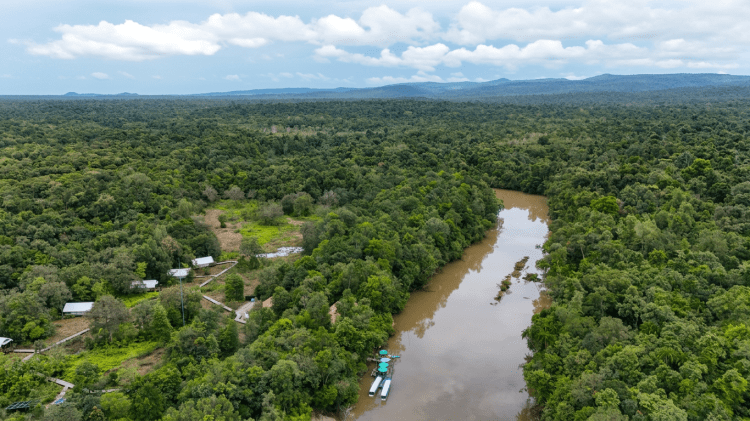
During The Long Run APAC Regional Meeting 2026, sustainability practitioners from across Asia-Pacific gathered at the camp to examine how conservation, community, culture, and commerce can work together as an integrated business model rather than competing priorities. The discussions provided valuable insights not only into the operation itself but also into the broader future of sustainable tourism.
Conservation as a Business Model
Unlike many tourism businesses where sustainability functions as an additional programme, Cardamom Tented Camp was designed around a different premise: conservation is the business.
Established through a partnership between YAANA Ventures, Wildlife Alliance, and Minor Hotels, the camp operates within an 18,073-hectare conservation concession in Botum Sakor National Park. Tourism revenue directly contributes to ranger patrols, biodiversity monitoring, and forest protection, embedding conservation into the commercial model itself.
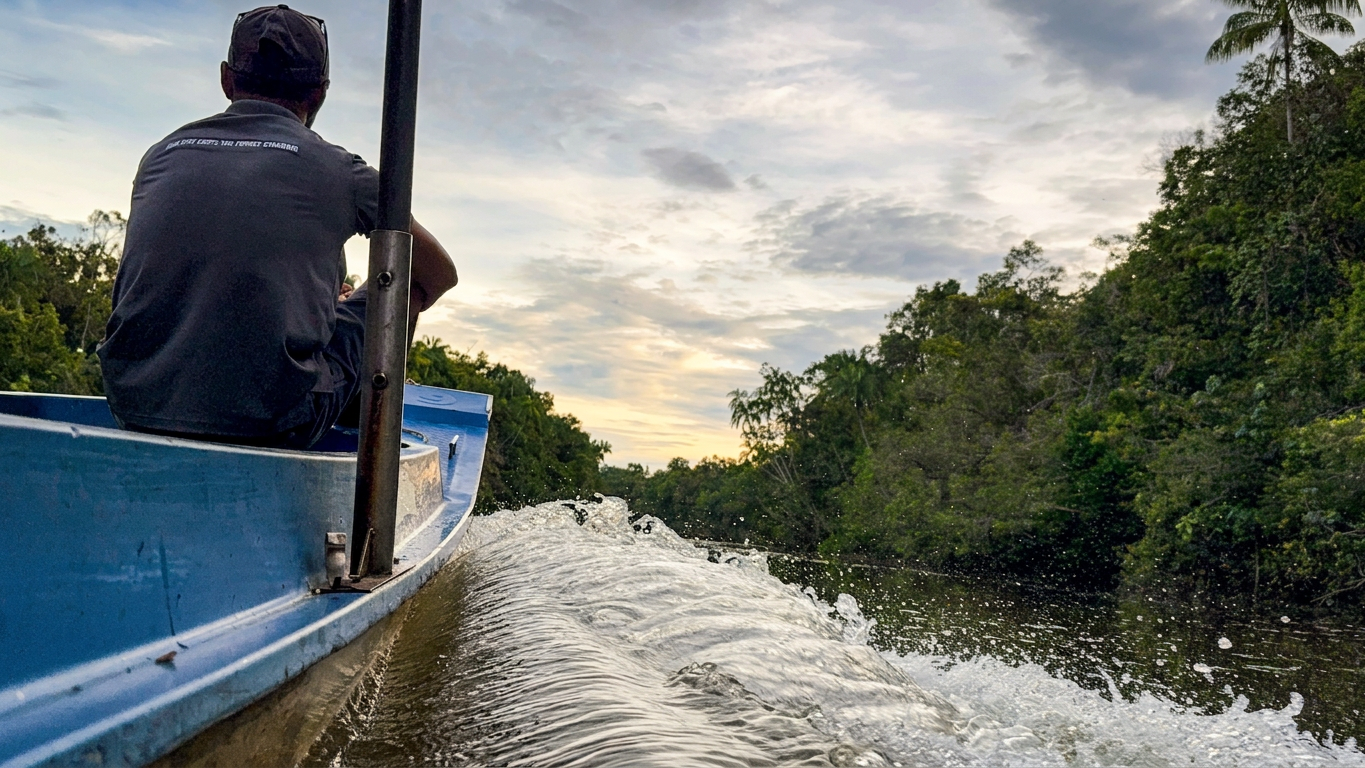
The guiding principle—“Your Stay Keeps the Forest Standing”—is more than a marketing slogan. It reflects a business model where tourism revenue generates measurable environmental outcomes.
Recent conservation reports demonstrate the impact of sustained investment. Ranger patrols have significantly reduced illegal snares and logging activities over the past decade, while camera trap monitoring increasingly records the return of threatened wildlife. These outcomes illustrate what becomes possible when conservation funding is linked to long-term business performance rather than intermittent donor support.
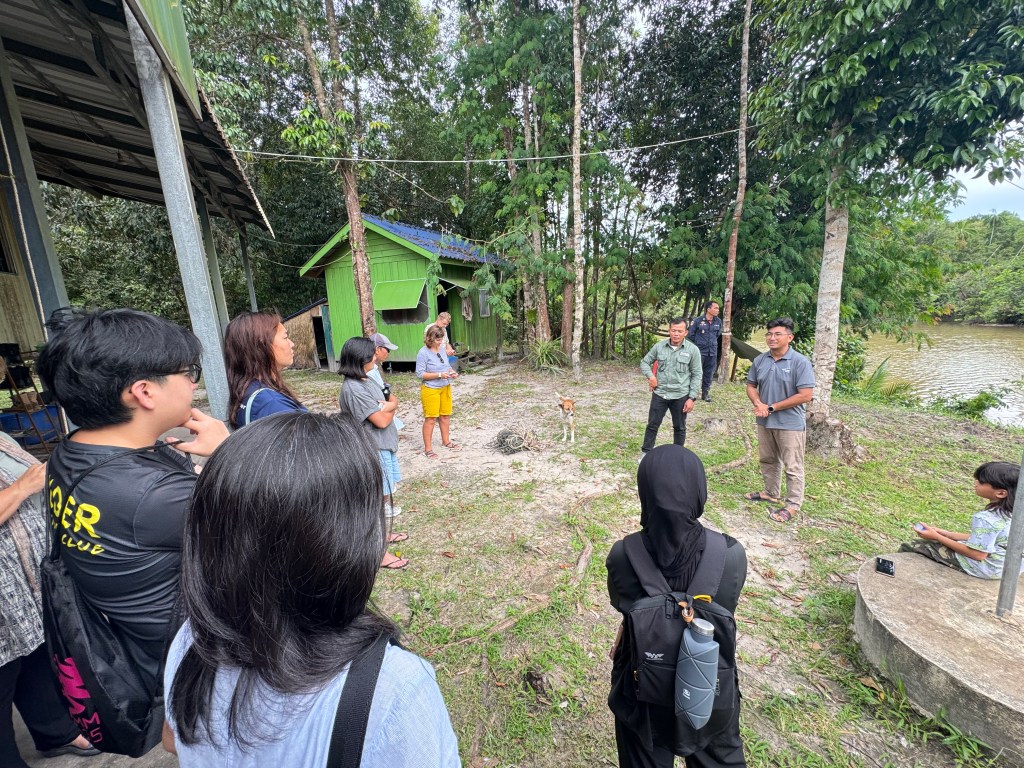
Looking Beyond Guest-Facing Sustainability
One of the strongest messages from the meeting was that the most important sustainability decisions are often invisible to guests.
Tourism frequently communicates reusable amenities, refillable bottles, or towel reuse programmes. While valuable, these represent only a small fraction of a property’s environmental footprint.
At Cardamom Tented Camp, operational systems receive equal attention. Wastewater is carefully treated before being released back into the surrounding watershed. Renewable energy reduces diesel dependence in a remote landscape. Food waste is composted, recyclable materials are recovered, and procurement increasingly prioritises local producers to reduce transport emissions while supporting surrounding communities.
These operational investments may never appear in guest photographs, yet they largely determine whether tourism contributes to ecosystem restoration or environmental degradation.
As one participant observed during the meeting:
“Good sustainability is often the work guests never see.”
Conservation Cannot Exist Without Communities
Another recurring discussion centred on the relationship between conservation and local communities.
Historically, conservation initiatives have sometimes treated communities as external stakeholders rather than partners. Cardamom Tented Camp demonstrates a different approach.
Employment opportunities, local sourcing, cultural programmes, waste management initiatives, and artist residencies all contribute to strengthening relationships with surrounding communities. Rather than positioning conservation against development, the model seeks to create shared economic value from maintaining healthy ecosystems.
This philosophy closely reflects The Long Run’s 4Cs framework—Conservation, Community, Culture and Commerce—which recognises that long-term environmental protection depends on balancing ecological integrity with social and economic resilience.
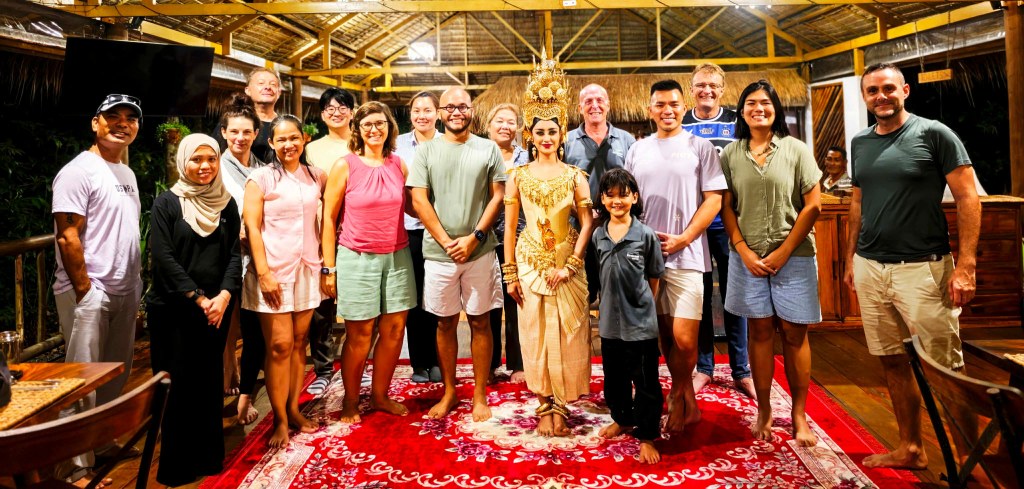
Importantly, the meeting highlighted that culture should not be viewed separately from conservation. Supporting local artists, preserving traditional knowledge, and celebrating local identity contribute to destination resilience while creating meaningful visitor experiences.
Measuring Impact Beyond Sustainability Claims
Throughout the meeting, one phrase repeatedly surfaced:
“Sustainable? Prove it.”
As sustainability becomes increasingly scrutinised by travellers, investors and certification bodies, organisations must move beyond good intentions and demonstrate measurable outcomes.
Examples discussed included:
- biodiversity monitoring;
- local procurement;
- employment generated for communities;
- partnerships with local artists and suppliers;
- food waste reduction;
- renewable energy generation; and
- conservation funding linked directly to tourism revenue.
Participants also explored how emerging technologies, including artificial intelligence, could support organisations by mapping tourism products against The Long Run’s 4Cs framework, helping businesses communicate sustainability outcomes more consistently and efficiently.
Storytelling Matters as Much as Sustainability
Perhaps the most significant lesson was not operational but communicative.
Across the hospitality sector, many organisations implement impressive sustainability initiatives that remain largely invisible to guests because they are poorly communicated.
The meeting concluded that effective sustainability communication should prioritise authenticity over perfection.
Rather than polished promotional campaigns, organisations should focus on communicating measurable impact through stories, field experiences, documentaries, guest interactions, and transparent reporting. Sustainability becomes more credible when supported by evidence, data, and human stories rather than marketing claims.
For tourism businesses, this represents a shift from promoting amenities to communicating purpose.
Lessons for the Tourism Industry
Cardamom Tented Camp is not a blueprint that every destination can replicate. Every landscape faces different ecological, social and economic realities.
However, the broader lessons extend well beyond Cambodia.
Conservation becomes more resilient when it is embedded within the business model rather than treated as a separate corporate responsibility programme. Operational decisions—from procurement and wastewater management to staff engagement and community partnerships—are ultimately conservation decisions. Equally, sustainability initiatives create greater value when organisations invest as much effort in measuring and communicating impact as they do in implementing it.
As global tourism increasingly moves towards nature-positive development, businesses will likely be judged not by the number of sustainability programmes they operate, but by the measurable outcomes those programmes create.
Cardamom Tented Camp demonstrates that tourism can become more than an economic activity. When conservation, community, culture and commerce are intentionally integrated, tourism evolves into a long-term investment in the landscapes and communities upon which the industry ultimately depends.
Acknowledgements
This article is based on observations and discussions during The Long Run APAC Regional Meeting 2026, hosted by Cardamom Tented Camp, Cambodia. The author thanks Cardamom Tented Camp, The Long Run, Wildlife Alliance, and fellow participants for openly sharing their experiences and insights. Photographs are courtesy of Cardamom Tented Camp and respective contributors, used with permission.
 Sanctum Harangan